





The 2026 Chevrolet Colorado may fit your routine when its towing, cab, and bed limits cover your hardest planned task. Start with the work you expect the truck to handle most. Then compare those needs with the truck’s ratings, space, and trim choices.
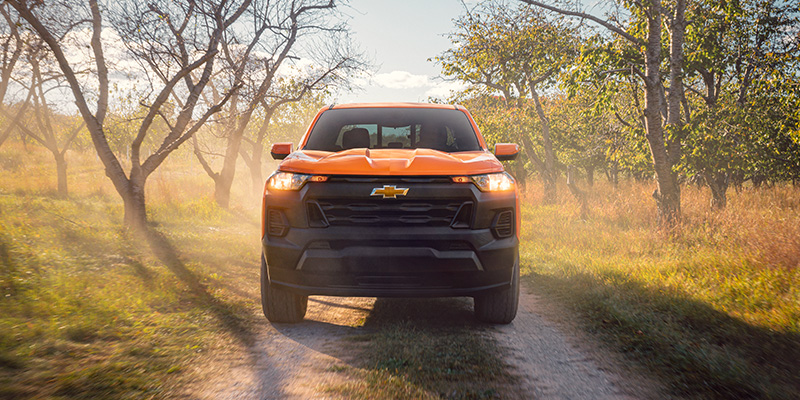
A midsize pickup can cover commuting, home projects, weekend towing, and light jobsite work. It also takes up less space than a Silverado 1500. However, its shorter bed and smaller rear seat may create limits for some households.
The goal is simple. Choose enough truck for your plans without adding size you must manage every day.
Start With Your Hardest Truck Task
Your hardest planned task should guide the truck decision. That task may involve towing, bed cargo, passengers, or rough roads.
What should you list first? Record the heaviest trailer, largest bed load, and usual passenger count. Also note how many times each task happens during a normal year.
Use these questions before comparing trims:
- What is the loaded weight of your camper, boat, utility trailer, or work trailer?
- How much weight will ride in the bed, including tools, supplies, coolers, and accessories?
- How many adults, children, or child seats will travel inside the cab?
A rare task may not require a larger truck. However, repeated heavy loads deserve more room below the truck’s limits.
The Colorado suits people who need pickup utility without a full size footprint. It works well when towing and cargo stay within clear margins. A Silverado 1500 may fit better when those tasks occur every week.
Is 7,700 Pounds Enough for Your Trailer?
The 7,700 pound maximum tow rating applies to correctly equipped Colorado trucks. The selected configuration must support that figure.
Is 7,700 pounds enough for your trailer? Start with the loaded trailer weight, not the empty factory number. Water, propane, batteries, food, tools, and gear can raise the total.
Hitch weight also presses down on the truck. Passengers, bed cargo, and accessories use part of the truck’s load allowance too.
Therefore, review four items before choosing:
- Confirm the trailer’s loaded weight after fluids, supplies, and gear are added.
- Estimate hitch weight and every item carried inside the truck.
- Check the door label and towing information for the exact Colorado.
A trailer may fall below 7,700 pounds while the truck carries a heavy cab and bed load. That combination can leave little room below another rating.
Smaller campers, fishing boats, utility trailers, and recreation gear may fit the Colorado well. Larger trailers deserve a closer comparison with the Silverado 1500.
Test the Crew Cab and Short Bed
Every 2026 Colorado uses a crew cab with four full doors. The layout gives rear passengers direct entry.
Will the second row fit your household? The answer should come from a physical test, not a measurement alone.
Adults may fit well for local trips. Taller passengers may want more legroom during longer drives. Rear facing child seats can also reduce front seat space.
Bring your child seat during a dealership visit. Install it behind each front seat. Then check entry room, buckle access, and front passenger comfort.
The short bed handles groceries, tools, camping gear, and home project supplies. Longer lumber, ladders, or large equipment may need added support.
A toolbox or bed cover also changes open cargo space. Those parts add weight and may limit how larger items fit.
The Colorado works best when its cab and bed match the items you carry most. Regular adult passengers or long materials may point toward a Silverado.
Compare Daily Size With a Silverado 1500
The Colorado is shorter than a Silverado 1500. That smaller footprint can simplify parking, garage entry, and tight turns.
How much does truck size matter each day? It matters during every parking attempt, fuel stop, school pickup, and garage entry.
Measure your garage before choosing. Include the door opening, interior length, shelves, workbenches, and walking room around the truck.
A pickup may fit between the walls but still leave little room for loading. Mirror clearance also matters near a narrow garage door.
The Colorado may suit crowded parking lots, older streets, and tighter rural driveways. The Silverado offers more cab and bed choices.
That added room may serve larger crews, longer materials, or heavier weekly loads. However, the larger body requires more turning and parking space.
Choose the Colorado when the shorter body solves a daily concern. Choose the Silverado when added room solves a repeated need.
Choose the Right 2026 Colorado Trim
The Colorado lineup offers trims for paved travel, jobsite use, rough roads, and harder trails. Each grade changes tires, suspension parts, ride height, and equipment.
Which trim fits your routes? Begin with where the truck spends most of its miles.
WT and LT suit commuting, job tasks, errands, and light towing. Trail Boss adds a lifted stance and equipment for rough roads.
Z71 blends trail hardware with features suited to paved travel. ZR2 adds specialized parts for demanding trail routes.
Before choosing, ask these questions:
- Will the truck spend most miles on pavement?
- Do work routes include gravel, fields, mud, or uneven property roads?
- Will the added trail hardware receive regular use?
Extra trail parts can raise tire cost, road noise, step in height, and purchase price. Appearance should not make the entire decision.
During the test drive, check ride feel, tire noise, visibility, camera views, and bed access. Those details shape every trip.
When Does a Silverado 1500 Fit Better?
A Silverado 1500 fits better when the Colorado leaves little room below your planned loads. It may also suit larger crews or longer cargo.
When should you move into a full size pickup? Focus on repeated tasks, not rare possibilities.
Choose the Silverado when heavy towing occurs throughout the year. Also consider it when adults use the rear seat during most trips.
A larger truck may serve crews carrying big tools, building supplies, or heavy equipment each week. Longer bed choices can also matter.
However, added size should solve a clear need. Parking, garage room, turning space, and purchase price still deserve review.
The Colorado remains a strong choice when towing, cargo, and passenger needs stay moderate. Its shorter body can make daily travel easier.
Choose the truck that covers your hardest planned task with room to spare. Then make sure its size still fits your daily routine.
Connect with us

